1
あいさつのジェスチャー
Greeting gestures
『いろどり 生活の日本語』第1課「おはようございます」日本の生活TIPS
入門 (Starter) · p.17 · © The Japan Foundation
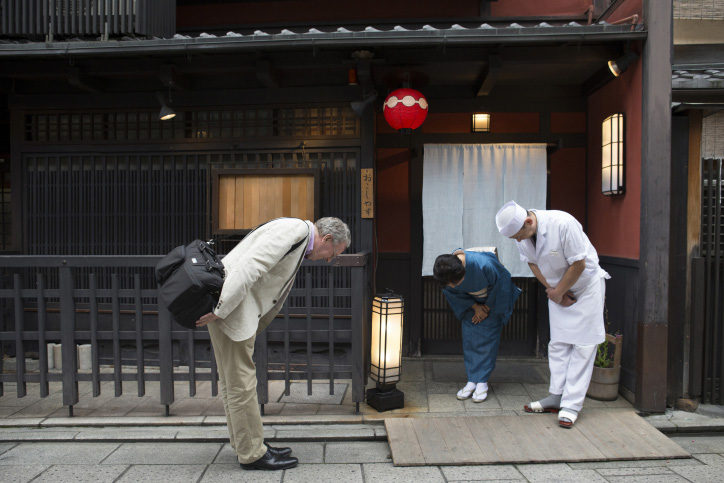
日本では、あいさつをするとき、腰を曲げ、頭を前に下げます。これを「おじぎ」といいます。おじぎは、あいさつのときやお礼のときなどに使われるジェスチャーです。腰を曲げる角度が大きいほど、敬意が高いとみなされます。道で知り合いに会ったときなどは、首を曲げて頭を少し下げるだけでかまいません。
In Japan, people bow from the waist when greeting one another. This is called ojigi. It is a gesture used when greeting or thanking people. The deeper you bow, the more respectful it is. When you meet a friend on the street, you can simply nod your head lightly in greeting.
人に会ったとき、日本ではハグをしたりビズ(頬と頬をつける)をしたりすることは、ほとんどありません。握手は、ビジネスの世界ではときどき使われることもありますが、あまり一般的ではありません。
In Japan, it is not common to hug someone or kiss them on the cheeks when you meet them. People sometimes shake hands in the business world, but this is also not very common.
両手を胸の前で合わせるジェスチャーは、日本ではご飯を食べる前には使われますが、人と会ったときのあいさつには普通は使われません。しかし、このジェスチャーが日本のあいさつだと誤解されていることも、少なくないようです。
In Japan, people sometimes put their palms together in front of their chest before a meal. Some people think that this is a Japanese gesture for greeting someone when you meet them, but they are wrong.
2
「さようなら」のあいさつ
The farewell "sayoonara"
『いろどり 生活の日本語』第1課「おはようございます」日本の生活TIPS
入門 (Starter) · p.17 · © The Japan Foundation
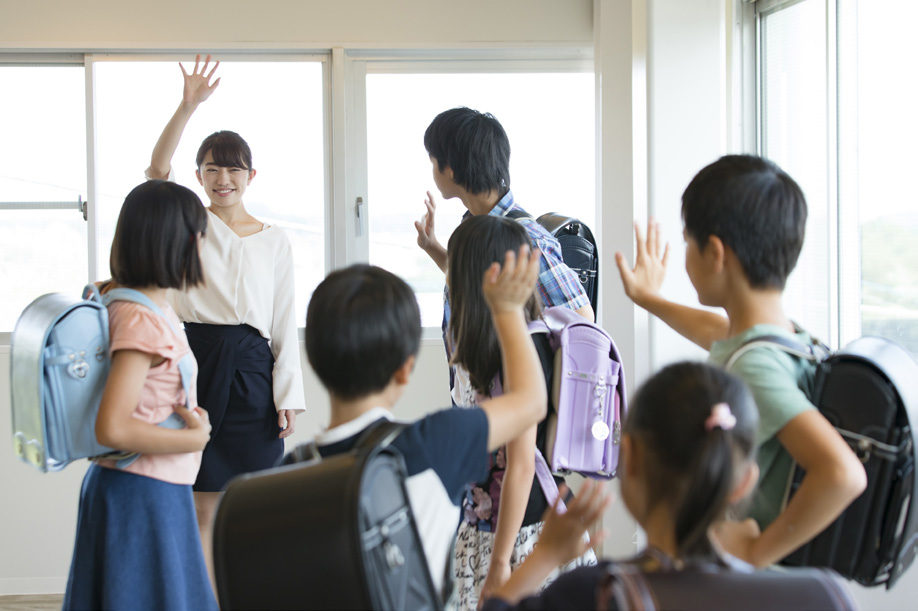
日本語の別れのあいさつとして、「さようなら」ということばが知られています。しかし、実際の日常生活で「さようなら」が使われることは、あまりありません。「さようなら」は、学校でのあいさつとして生徒と先生の間で使ったり、もう会うことがない人に別れを告げたりする場面で使ったりすることが多く、日常生活でいつも会う知り合いに別れのあいさつをするときは、教科書本文で練習したように、フォーマルな場面なら「失礼します」、カジュアルな場面なら「じゃあ、また」などの言い方が一般的です。
Sayoonara is a well-known farewell greeting in Japanese. However, it is actually rarely used in daily life. Sayoonara is often used as a greeting between students and teachers at school, or when you are saying goodbye to someone you will never meet again. As we have practiced using the textbook, if you are saying goodbye to someone you meet all the time, it is common to say shitsureeshimasu in formal situations and jaa, mata in casual situations.
3
「すみません」を使うとき
When to use "sumimasen"
『いろどり 生活の日本語』第1課「おはようございます」日本の生活TIPS
入門 (Starter) · p.18 · © The Japan Foundation
「すみません」は謝るときに使うことばですが、お礼を言うときは、「ありがとう(ございます)」を使う場合と、「すみません」を使う場合があります。
Sumimasen is used when apologizing. When saying thank you, sometimes you say arigatoo (gozaimasu) but sometimes you use sumimasen.
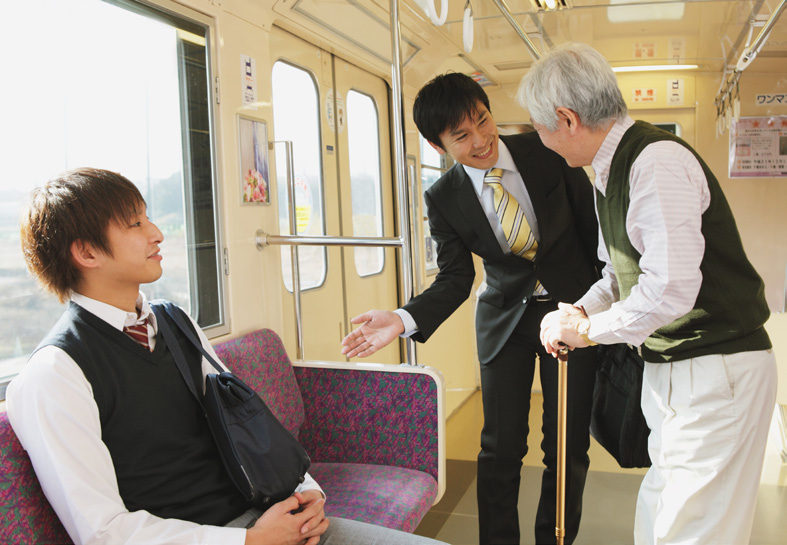
本文では、落とし物を拾ってもらったときや、席を譲ってもらったときに、「すみません」とお礼を言う場面が出てきました。このように、ほかの人が自分のために何かしてくれたときで、そのために相手に不利益や負担がかかったと感じる場合、「すみません」ということばで、謝りながらお礼を言います。「すみません」だけでもお礼を表す意味になります。
In the main text, there was a situation where a person said sumimasen. For example, the person was given something they lost, or was given a seat on the train. The other person did something nice for the person, and the person feels that this has caused trouble and inconvenience to the other person. In such a situation, you should say sumimasen to say thanks and apologize at the same time. You can also just say sumimasen to show appreciation.
相手に不利益や負担がかかっていない場合、例えばほめられたときや、お祝いを言われたときには、お礼のことばとして「すみません」が使われることはありません。
If you are not causing someone any trouble or inconvenience, you would not use sumimasen to say thanks, for example when you receive a compliment or congratulations.
「すみません」と「ありがとう(ございます)」の使い分けは難しいかもしれませんが、「すみません」を使わないで「ありがとう(ございます)」と言っても、失礼になることはないので、お礼を言うときはいつも「ありがとう(ございます)」とだけ言っても大丈夫です。
It may be difficult to understand when to use sumimasen and when to use arigatoo (gozaimasu), but it is not rude to say arigatoo (gozaimasu) instead of sumimasen. So, when you say thanks to someone, it is acceptable to just say arigatoo (gozaimasu) every time.