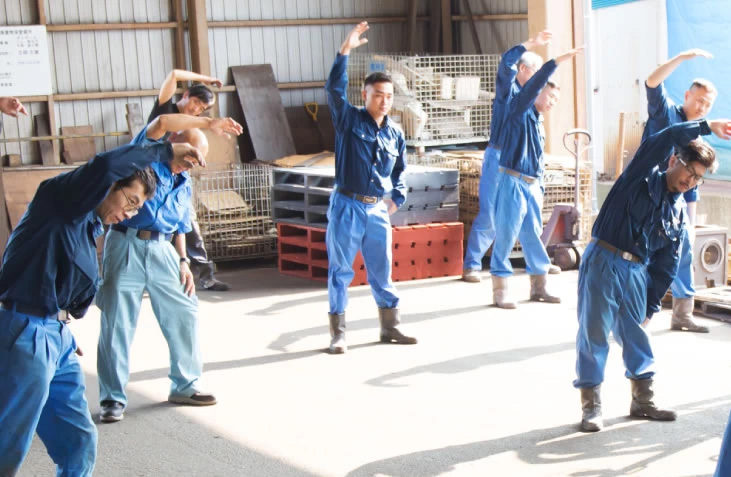
In many Japanese companies, employees assemble in the morning at the start of work. They greet each other and share work information. This is known as chooree (morning assembly). The main purpose of chooree is to send messages, such as the flow of work for the day, and special matters to take note of. When employees come together and greet each other, it shows that work is starting now and it is time to switch to working mode.
There are also companies that include rajio taisoo (radio exercises) in their chooree routine. Rajio taisoo is an exercise program broadcast by NHK. Many Japanese people are familiar with it. They have been doing it at school and other places since they were children. Doing exercises during chooree helps the body get used to the physical work that it will be doing later.
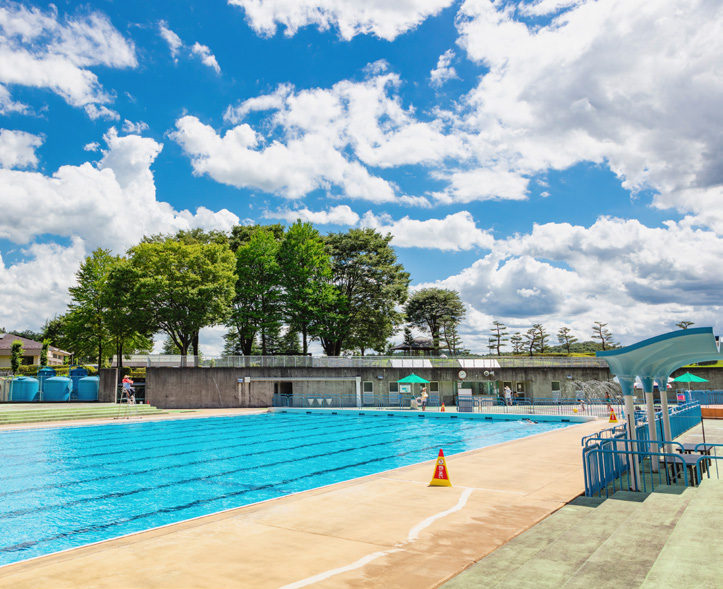
In Japan, the season for using outdoor pools is around July and August. During this period, public pools run by the local government will be opened. You can use them if you pay a cheap fee, usually a few hundred yen. In some cities or wards, only people living or working there can use the public pool. However, there are also public pools that are open to everyone. Each pool has fixed opening hours. So, if you want to go swimming, you should look it up online before going.
Be careful as there are different rules for each pool. For example, you must wear a swimming cap in some pools. Some pools also do not allow the use of sunblock or sun oil.
The ways people watch a film in a cinema have changed greatly in the past few years. Previously, the cinema company would decide on the film to show. It would then show the film a few times a day for a fixed number of days. People would choose the cinema showing the film they wanted to watch, then go to watch it at a convenient time. They could also sit wherever they wanted.
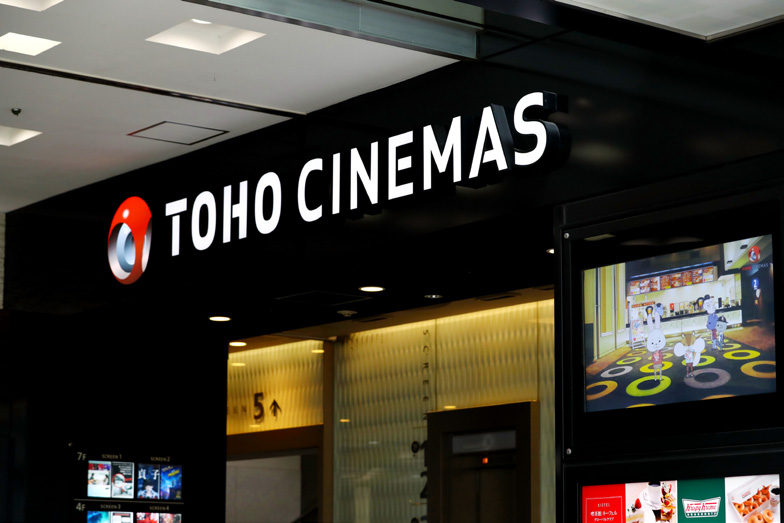
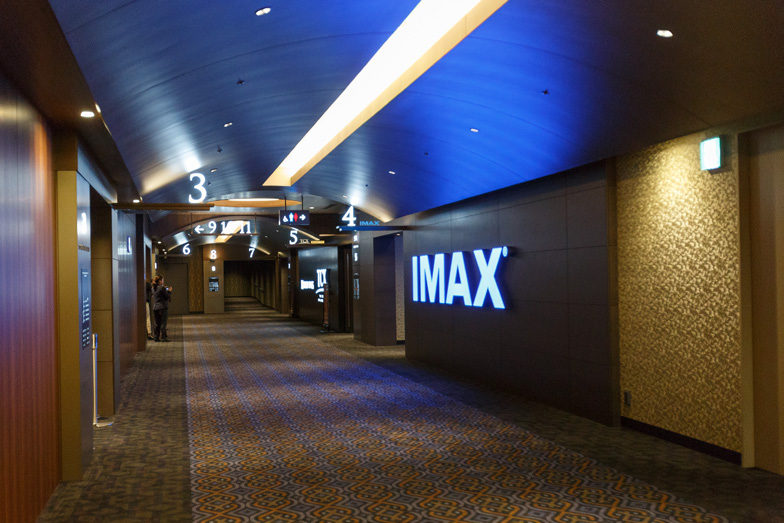
Today, most cinemas in Japan are shinekon (cinema complexes). A cinema complex is a facility with multiple rooms (screens). Different films are shown in multiple rooms. It can be quite complicated. For example, a popular film can be shown many times on more than one screen. On the other hand, films that have already been released for a long time may be shown only once a day. People are assigned a specific seat. Many cinema complexes are located inside a department store or shopping mall.
It costs an adult about 1,800 - 1,900 yen to watch a film (2020 prices). It costs more to watch a 3D film or IMAX. Prices are discounted on some days, such as Film Day or Ladies’ Day, so you should check before you go. If you become a member of a cinema, you may earn a free visit after going a few times.
以下では、シネコン型の映画館で、当日チケットを買って映画を見る場合の方法を説明します。
Here is an explanation of how to buy a ticket on the day and watch a film at a cinema complex.
Before you go, check online to see which cinema is showing the film you want to watch, and its screening time. Even for the same movie, there are different times and venues. Sometimes there are different versions of the same film, such as subtitled versions, dubbed versions, 3D versions, and 2D versions, so be careful when you are checking.
When the film ends, leave the cinema. In Japan, people usually stay seated even after the story ends. They leave when all the credits are finished and the lights are turned on.