和製英語
English-sounding words created in Japan
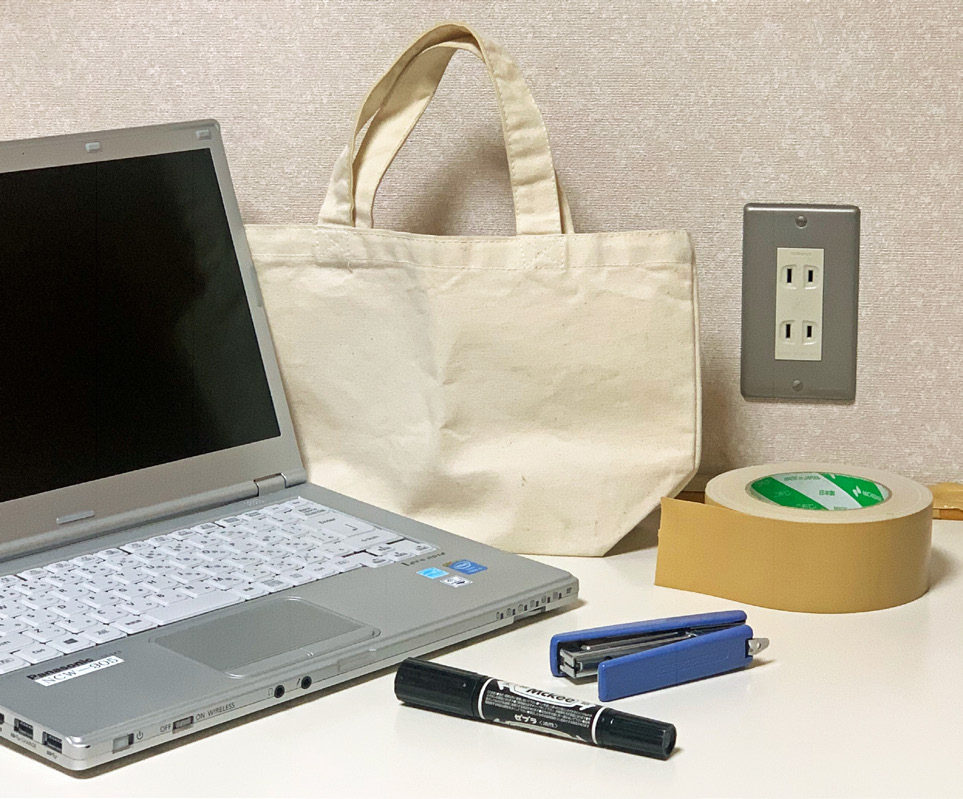
「ホチキス」や「ガムテープ」は、カタカナで書かれていますが、これらは英語ではありません。「ホチキス」は、アメリカのホチキスを作る会社「E.H.Hotchkiss」社の名前が日本に入り、日本ではこう呼ばれるようになりました。「ガムテープ」は段ボール箱をとじるのに使われる紙製または布製のテープで、「ガム」はゴム製の接着剤に由来しますが、英語では「duct tape」といい、「ガムテープ」とはいいません。
Hochikisu (stapler) and gamu-teepu (duct tape) are written in katakana, but are not actually English words. Hochikisu came from the name of the American stapler manufacturer, E. H. Hotchkiss. This was introduced in Japan and became the word for “stapler.” Gamu-teepu is duct tape made of paper or fabric. It is used to seal cardboard boxes. Gamu comes from the word “gum,” which is the sticky rubber on the tape. In English, it is called “duct tape,” not “gum tape”.
このように、日本語でカタカナで書かれ、英語のように見えるけれど、実は日本でしか通じないことばを「和製英語」といいます。和製英語には、ほかにも例えば次のようなものがあります。
These words are written in katakana in the Japanese language, and look and sound like English. However, they are only understood in Japan. Such words or phrases are called wasei-eigo, or English-sounding words or phrases created in Japan. Other examples of wasei-eigo are shown below.
ノートパソコン
ラップトップ型PCのこと。「パソコン」は「パーソナルコンピュータ」の略語。Notebookの「ノート」と「パソコン」を合わせて造られた用語です。
Laptop computer. Pasokon is the shortened word for “personal computer.” Nooto-pasokon was created by combining nooto (notebook) and pasokon.
マジック
油性のフェルトペンのこと。日本会社が発売した「マジックインキ」という商品名が一般化し、「マジック」だけで油性フェルトペンのことを指すようになりました。
Oil-based marker pens. Majikku-inki (Magic Ink) was the name of the marker pen sold by a Japanese company. This became commonly used. Now, majikku is used by itself for oil-based marker pens.
コンセント
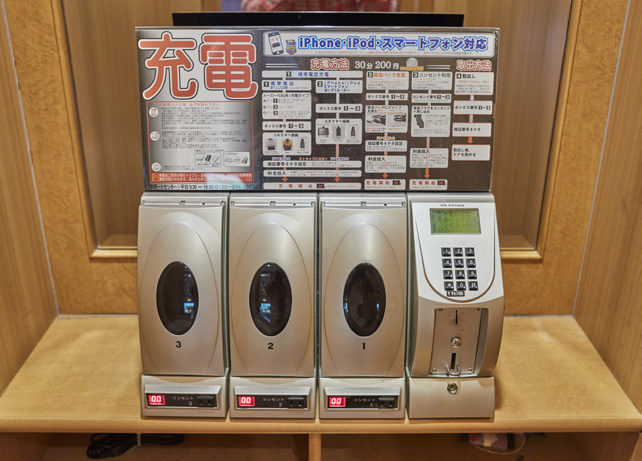
電源を供給するコンセントのことを、日本ではこう呼びます。大正時代(1912-1926)に使われていた「concentric plug」という用語から、現在の「コンセント」ということばができたようです。
In Japan, electrical outlets are called konsento. This comes from the phrase “concentric plug.” This was used during the Taisho era (1912–1926). It was shortened to the konsento that is said now.
マイ〜
「自分の」を意味することばとして、日本語では英語のmyから取った「マイ~」ということばが使われることがあります。例えば「マイカー(my car)」というのは、自分が持っている車、「マイホーム(my home)」は自分が買った家、「マイバッグ(my bag)」というのは、買い物用に自分が持ってきたバッグのことです。例えば「前田さんはマイホームを買いました」「レジ袋は有料なので、マイバッグを持って行ったほうがいいですよ」のように使うので、外国人にとってわかりにくい表現になります。
This word is used for things that belong to oneself. It comes from the English word “my.” For example, mai-kaa (my car) is a car that you have bought yourself, mai-hoomu (my home) is a house that you have bought yourself, and mai-baggu (my bag) is a bag you bring yourself for your shopping. It is used in a sentence like this: “Maeda-san has bought a mai-hoomu” or “It is better to bring a mai-baggu because you have to pay for a shopping bag.” These expressions can be confusing for foreigners.