It is said that one-third of the publications in Japan are manga. Manga are read not only by children, but also by adults. There are various genres, such as action, fantasy, romance, sports, mystery, science fiction, comedy, history, food, and adult themes. There are also many types, such as manga based on classical literature from Japan and other parts of the world, essay manga, and how-to manga such as "Introduction to Japanese Economy in Manga" and "Understanding the Theory of Relativity through Manga". In addition to paper publications, nowadays, many manga can be read through smartphone apps. People often read manga on their smartphones on trains.
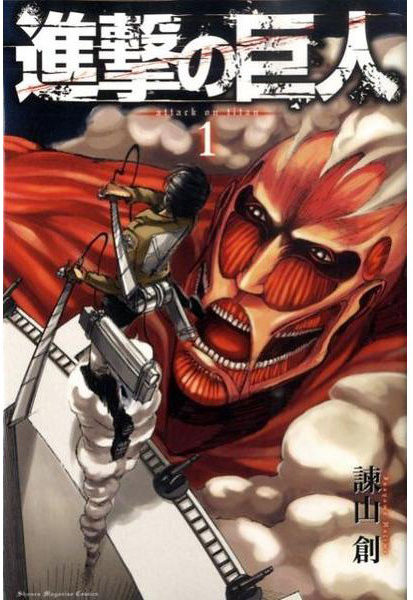
New works are first published serially in manga magazines such as Shonen Jump. After that, several chapters are put together and published as one volume. Manga books are now translated into foreign languages, and there are many fans of Japanese manga around the world. Works such as NARUTO, One Piece, Attack on Titan, and Demon Slayer are especially popular abroad. Many people abroad also enjoy cosplay, which is to dress up like manga characters.
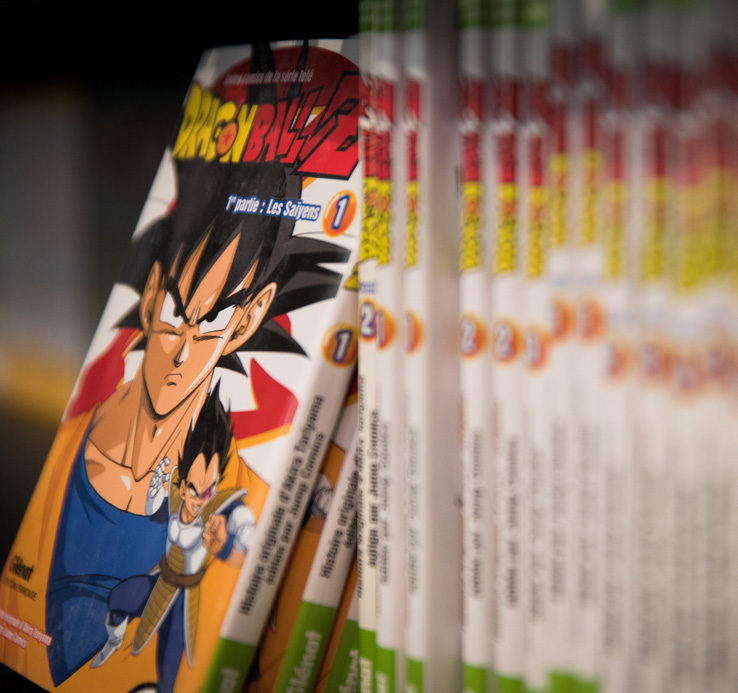
The manga that appeared in the main text is Dragon Ball. It was created by Toriyama Akira and was published serially in Weekly Shonen Jump from 1984 to 1995. It was later adapted into anime and even a Hollywood film. More than 250 million copies of the books have been sold worldwide.
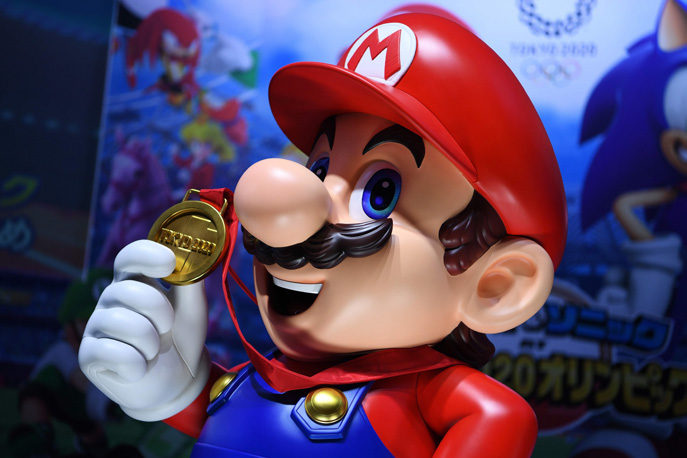
Just like anime and manga, Japanese videogames are a big part of Japan's popular culture. There are fans around the world. Nintendo launched the Famicom (Family Computer) in 1983. This brought Japan's videogame culture to families. Classic games were created, such as Super Mario Bros., Dragon Quest, and Final Fantasy. A wide range of gaming devices were released after that, for example the Super Famicom, PlayStation, Sega Saturn, and Wii.
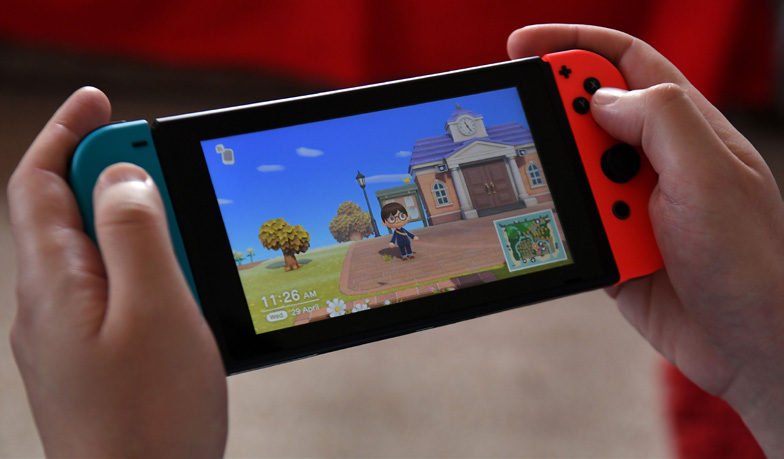
Videogames might make you think about someone playing videogames alone until late at night. However, there are now many different ways of playing videogames. For example, families can go out with their smartphones to catch Pokémon on Pokémon GO. They can also play with their friends virtually in Animal Crossing: New Horizons on Nintendo Switch.
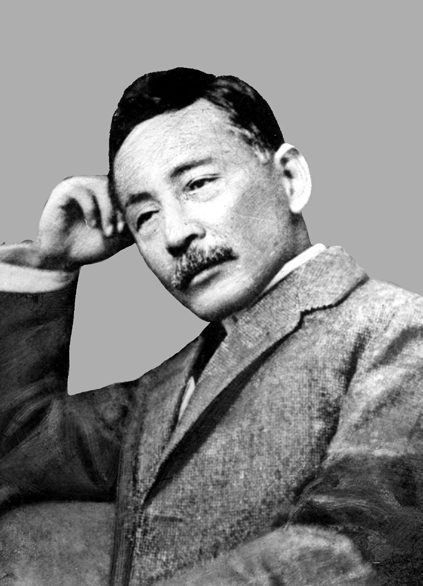
The example in the main text is Murakami Haruki (1949– ), a leading modern Japanese writer. His major works include Norwegian Wood, Kafka on the Shore, and 1Q84. Natsume Soseki (1867–1916) was a writer from the Meiji era. He is best known for works such as I am a Cat and Botchan. Most Japanese people have probably read a novel by Soseki at least once. For example, many Japanese high school students study Kokoro and Sanshiro in school because they are in textbooks.
Works by other authors have also been translated and are well-known overseas. Some examples are Kawabata Yasunari (1899–1972) and Oe Kenzaburo (1935– ), who are winners of the Nobel Prize in Literature, Akutagawa Ryunosuke (1892–1927), Mishima Yukio (1925–1970), Abe Kobo (1924–1993), and Yoshimoto Banana (1964– ). The Tale of Genji is a book written by Murasaki Shikibu more than 1,000 years ago. It has been translated into many languages and even translated into modern Japanese by contemporary writers for publication.
Other famous authors are Akagawa Jiro (1948– ), who writes mysteries in a conversational style that is easy to read, and Hoshi Shinichi (1926–1997), who created short-short stories that are only a few pages. Typically, their works are the first literature that Japanese learners read in Japanese. There are also light novels (ranobe). These are written in a way that is easy for young people to read. These books have many fans overseas, who read them in the original Japanese language or translated into foreign languages.
Like baseball, soccer is a very popular sport in Japan. In particular, soccer has been popular since it became a professional sport in 1993 and the J. League was started. More Japanese people play soccer than baseball. When the Japanese national team plays matches, many soccer fans watch them on TV.
J. League is a special league because the teams are linked to the local community. There are three J. League divisions, J1 to J3, and there are about 60 teams in total. All the names of the teams include the names of their hometowns, such as the Urawa Red Diamonds and Gamba Osaka. So, they are supported by the local fans in these areas. Once you live in Japan, you should check out your local team.
Rugby is also a popular sport in senior high school and university. The winner of the All-Japan University Rugby Championship becomes the top university team in Japan every year. It is very popular and exciting. Dramas based on the theme of rugby have also been created.
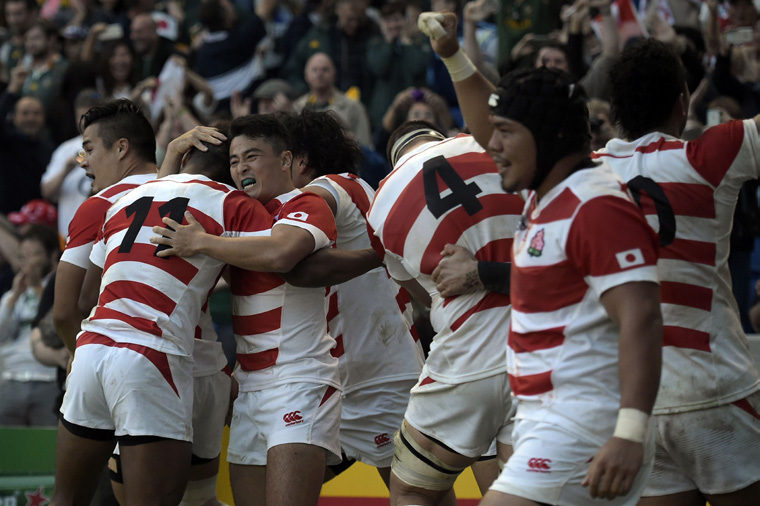
Previously, Japan's national rugby team rarely won matches in international competitions. It was not very popular until recently. However, when Japan played against South Africa during the Rugby World Cup (England, 2015), Japan won the game just before the match ended. This put the team in the spotlight in Japan and abroad. After that, the Rugby World Cup was hosted by Japan in 2019, and rugby became a major sport in Japan too. The expression niwaka fan (bandwagon fans) refers to people who suddenly became rugby fans during the Rugby World Cup. It also became a trendy phrase at that time.
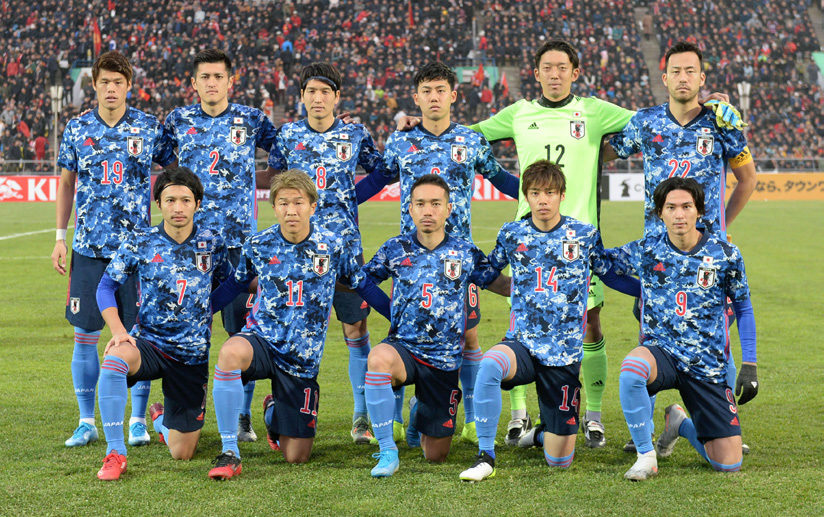
Another characteristic of the Japanese soccer and rugby national teams is that they wear completely different uniforms. The soccer national team wears a blue uniform called Samurai Blue. The uniform of the rugby national team has red and white horizontal stripes, and an emblem based on the motif of the cherry blossom. (Because of this, the team is nicknamed Brave Blossoms.) This is unusual compared to other countries. In particular, the soccer team's uniform does not include the colors of Japan's national flag. So, those who are watching the match on TV may not know which is the Japanese team if they are not very familiar with soccer.
If you want to play soccer or rugby, try checking the town paper and online bulletin boards. Local amateur teams for adults sometimes put notices there to look for new team members.
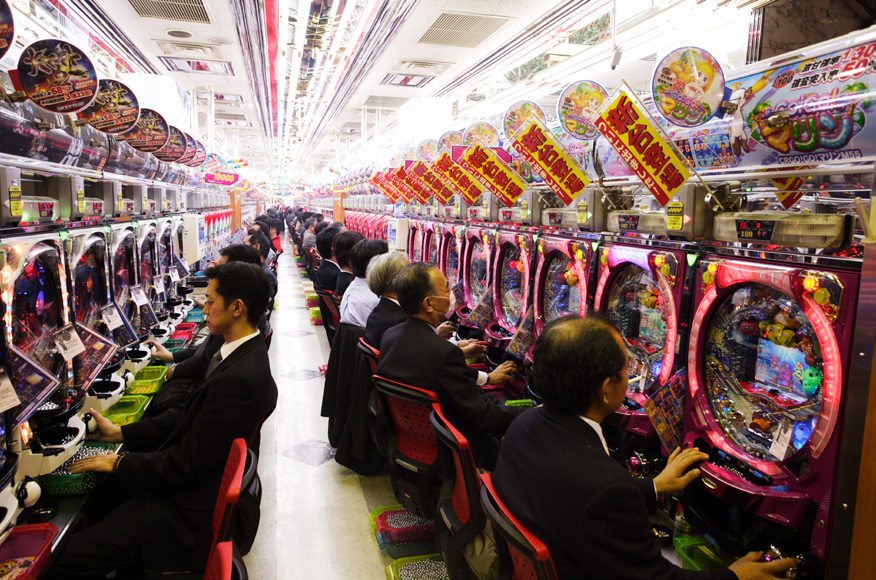
Pachinko is similar to pinball. The pachinko machine is made of nails hammered into a vertical board. This board is covered by a piece of glass and has several holes in it. A pachinko ball is flipped upward from below. If it falls into a specific hole, you will get back more balls. There are some pachinko machines that continue throwing out many balls if you get an atari (a big win). When you get many pachinko balls, you can exchange them for gifts.
There are pachinko parlors in all parts of Japan. There are pachinko parlors in shopping streets in the city. Outside big cities, there are pachinko parlors with large car parks along major roads. Pachinko is a recreational activity for regular people. It is played by everyone from young people (although those below 18 years are not allowed to play it) to the elderly.
Pachinko gifts can be bought by other shops nearby for cash. In this way, pachinko is actually similar to gambling. Pachinko is a recreational activity that anyone can play easily, but be careful not to gamble too much.