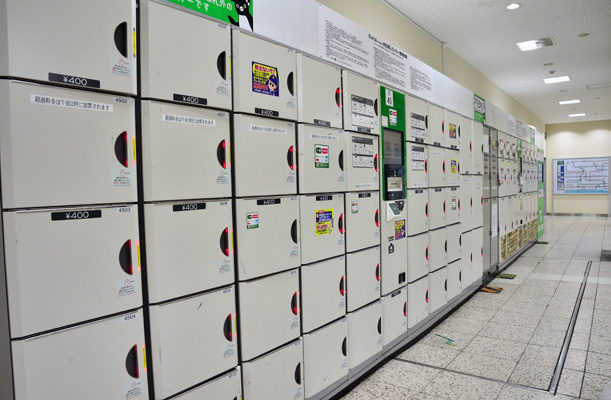
In Japan, there are coin lockers in places such as train stations, bus terminals, underground areas, and shopping streets. You can leave your things in these lockers. Other countries also have coin lockers, but few countries have lockers in so many places.
The cost of using a coin locker is different based on its size. A small coin locker that can hold a small backpack costs about 300 to 400 yen. A large locker that can hold a suitcase costs about 600 to 1,000 yen. 100-yen coins are used for coin lockers.
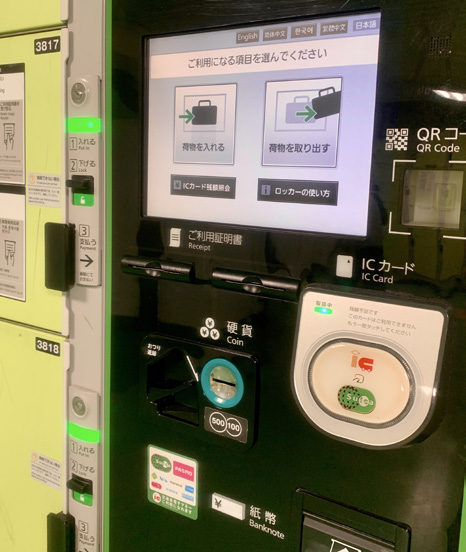
Keyless lockers have also become more common. The key is activated through a passcode. The user pays through the control panel, locks the locker, and collects a receipt. To open the locker, the user enters the number on the receipt into the control panel. There are also lockers that accept payment through prepaid transportation cards. You can simply tap the same card to open and shut the locker without using a key.
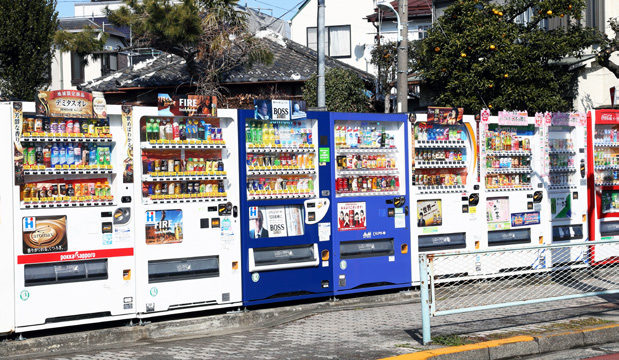
There are many vending machines in Japan. It is common to see them in stations, shopping streets, inside buildings, and at service areas along highways. Sometimes, in rural housing districts, there are just vending machines by themselves and no other shops.
Vending machines mainly sell drinks. You can get cold drinks and, in winter, also hot drinks. You can buy hot coffee and tea, and also hot corn soup and miso soup from vending machines.
Besides drinks, vending machines also sell other things such as ice-cream, cup noodles, bread, and sweets. There are also vending machines that sell magazines, batteries, underwear, umbrellas, and condoms.
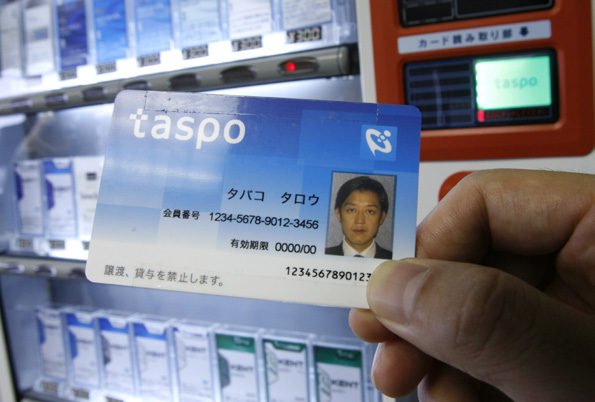
It is possible to buy cigarettes at vending machines, but first you have to apply for a taspo, which is an adult identification card. If you do not tap this card on the vending machine, you will not be able to buy cigarettes from the machine. You can apply online.
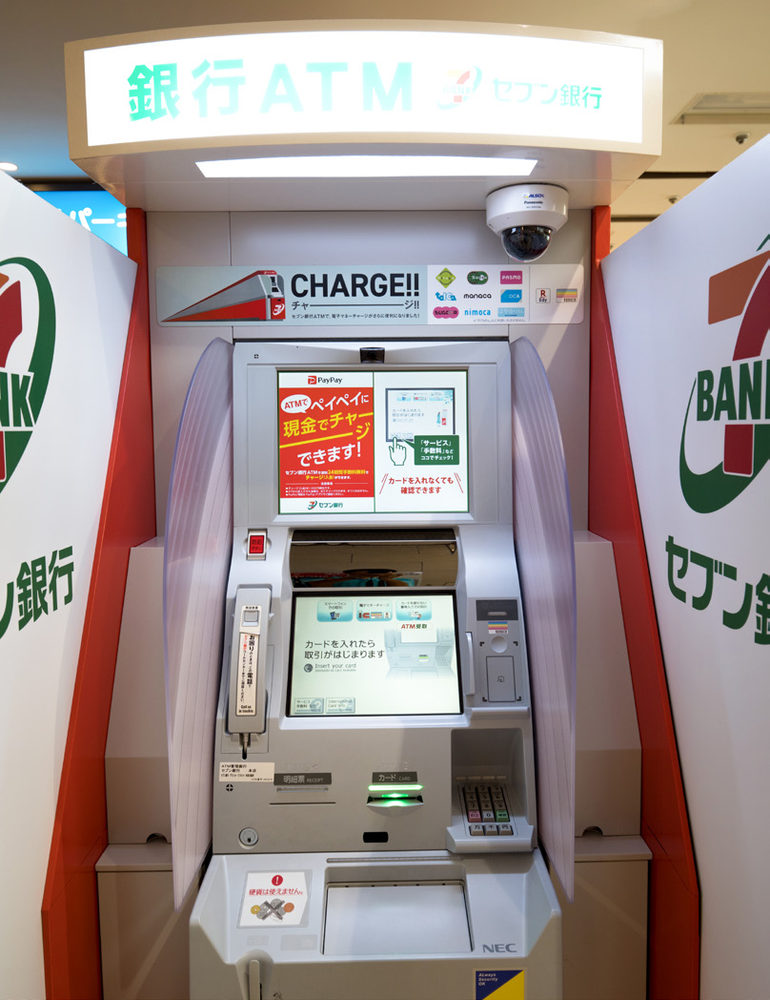
An ATM allows you to take out cash using a bank card or a credit card. In Japan, they can be found everywhere, such as in banks, airports, stations, shopping malls, and underground areas. However, the most convenient place is probably the convenience store. Many convenience stores have ATMs. However, even though a convenience store is open for 24 hours, you may only be able to take out money on certain days and at certain times, depending on the bank.
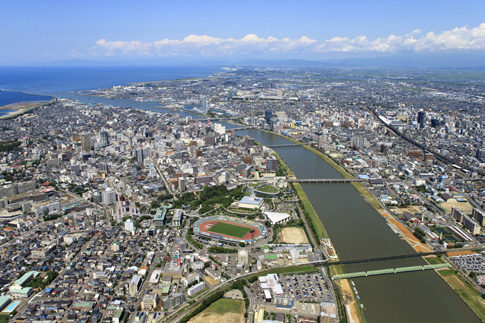
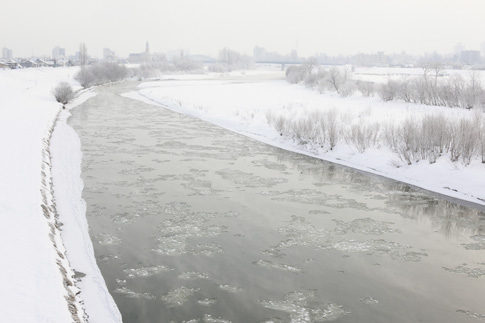
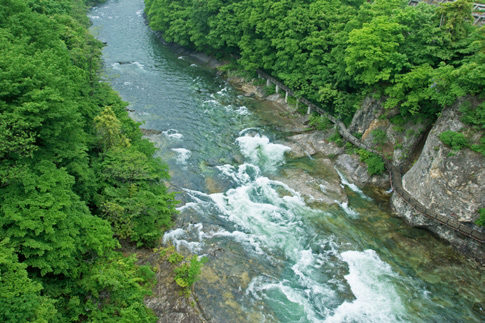
Japan is a long and narrow country. There are also many mountains. Its rivers flow over a short distance, from high water sources into the sea. This is why rivers in Japan are usually short, steep, and fast-flowing. The longest river in Japan is Shinano River. It is 367 km long, only about one-fourteenth of the length of the Mekong River in Southeast Asia. Because of its steepness and fast flow, when heavy rains fall, water flows all at once into the river. This sometimes causes floods. If you live near a river, find out if there is any risk of flooding in your area. Be sure to check the evacuation shelter and other relevant information.
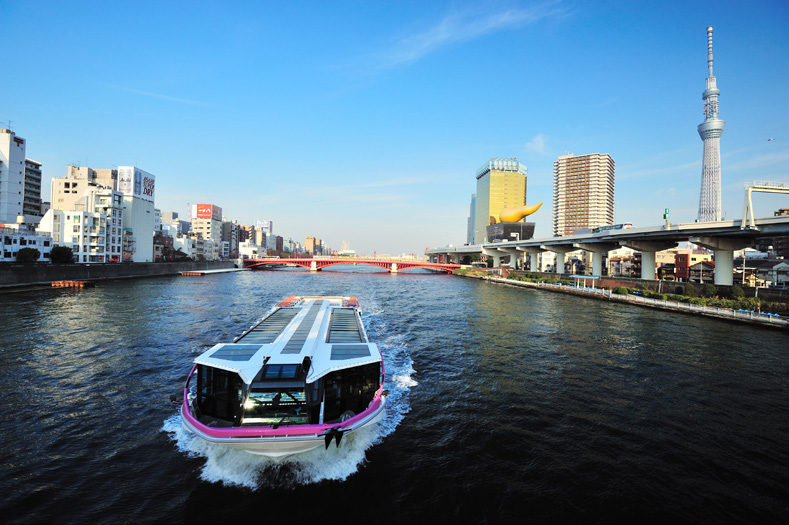
Upstream, valleys carved by the river are often sightseeing spots. There are also people who enjoy fishing there. You can take a pleasure cruise at the midstream or downstream part of some rivers. Some famous cruises are the river cruise along Sumida River in Tokyo, and the Japanese house-boat cruise at Arashiyama in Kyoto.
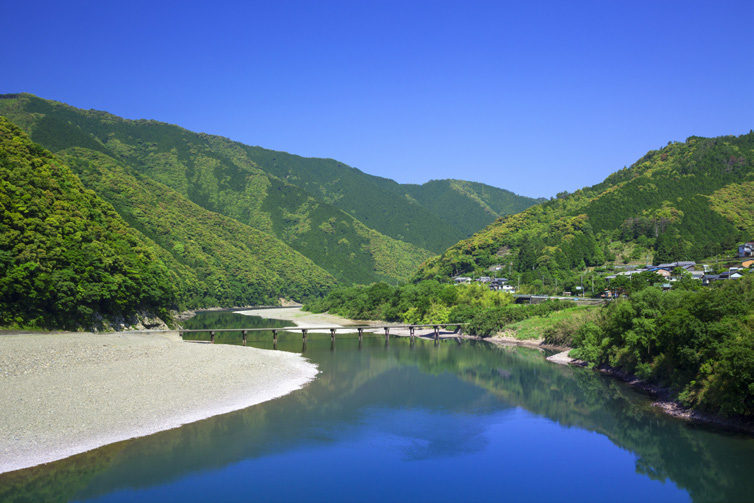
Shimanto River, which appears in the main text, is in Kochi Prefecture. It is often called "the last clear stream of Japan." It is well-known for its clear waters and beautiful scenery. Visitors can borrow bicycles to cycle by the river, or ride Japanese house-boats or canoes on it.
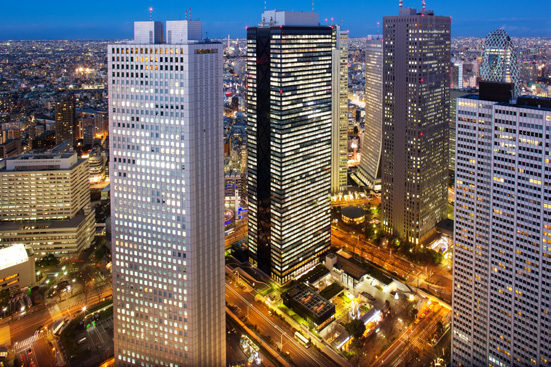
The area west of Shinjuku Station in Tokyo is known as an area with many high-rise buildings. If you go up to the Tokyo Metropolitan Government Building Observatories (202 m high, free admissions), you will be able to see Shinjuku's skyscrapers and the night views of Tokyo.
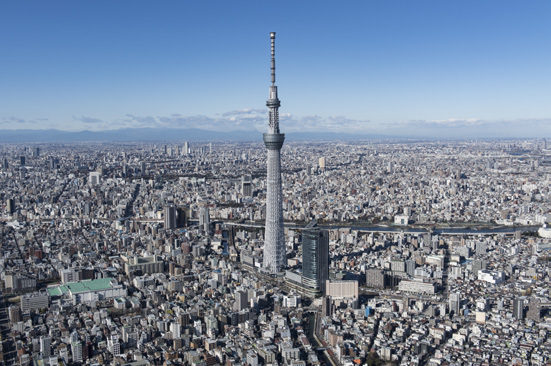
The highest buildings in Japan now (2020) are Abeno Harukas in Osaka (300 m), followed by the Yokohama Landmark Tower (296 m). When including structures other than buildings, Japan's highest structures would be the Tokyo Skytree (634 m) followed by Tokyo Tower (333 m). All these buildings have observatories, so you can enjoy the views from up high.
なお、2027年には東京駅前に、高さ390mのビル「トーチタワー」が完成予定です。
A new 390 m building, Torch Tower, is scheduled to be completed in front of Tokyo Station in 2027.
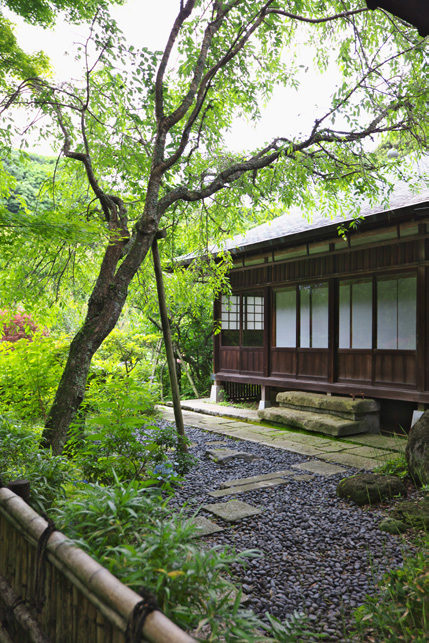
Have you heard of the expression wabi-sabi? Wabi-sabi is a Japanese value of seeing beauty in things that are simple and plain, quiet and calm. In the dialog in the main text, a person looked at an old temple and described it as a "good temple." If you see a simple, plain, and old temple and think that it is great, then you understand wabi-sabi.
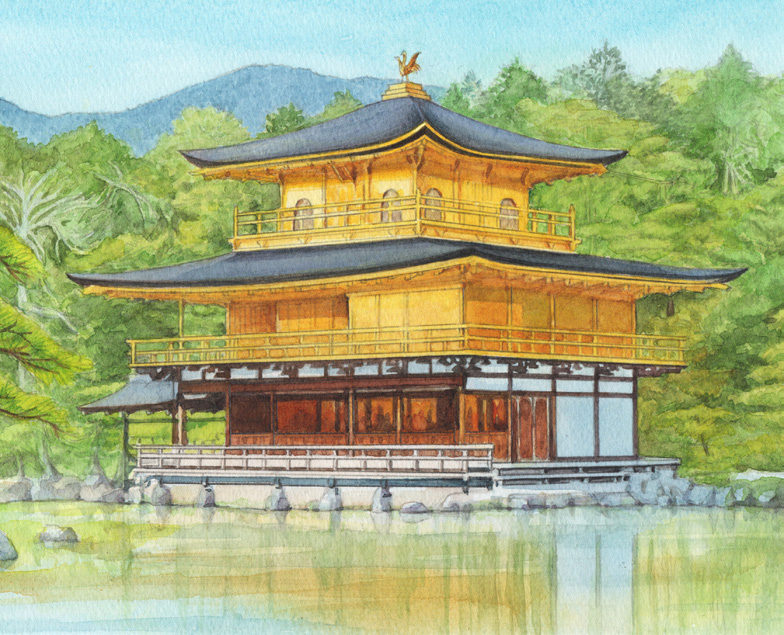
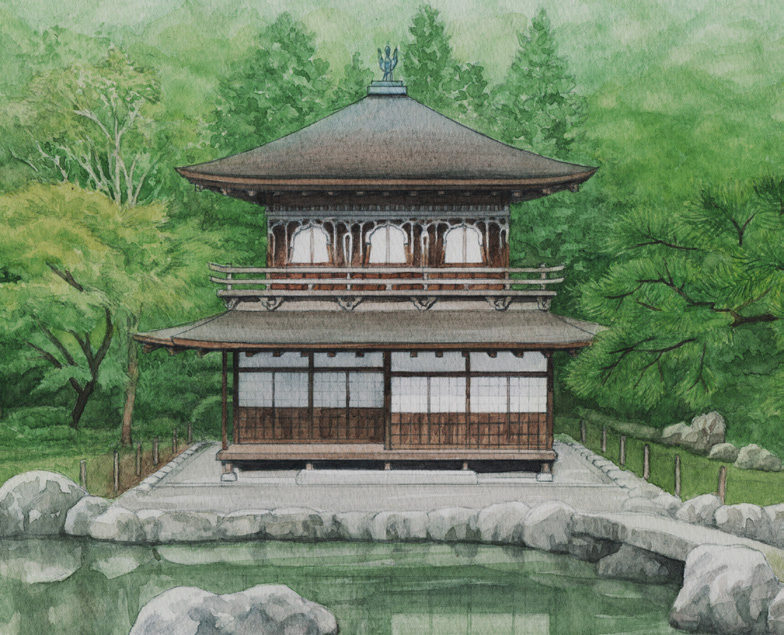
Kinkakuji and Ginkakuji are famous temples of Kyoto. When you see them, Ginkakuji may look shabby in comparison to Kinkakuji. This is because the gold of Kinkakuji is brilliant and gorgeous. Meanwhile, Ginkakuji is not silver but a brown-colored wooden structure. However, Ginkakuji creates a stronger sense of calm beauty. This is wabi-sabi. When you see famous temples and gardens in Japan, you may feel that they are old and dirty, and wonder why they are famous. When this happens, try to remember the concept of wabi-sabi.